E-Mail: DBG1@singbonpu.com
Tel: +86-535-6209089
Hey there! As a TPU 80A supplier, I often get asked about the water absorption rate of TPU 80A. So, I thought I'd take a few minutes to shed some light on this topic. In this blog, we'll dig into what exactly the water absorption rate of TPU 80A is, why it matters, and how it impacts different applications.
First things first, let's quickly understand what TPU 80A is. TPU stands for Thermoplastic Polyurethane, which is a type of polymer that combines the properties of rubber and plastic. The "80A" refers to its hardness on the Shore A scale, which means it's relatively soft and flexible. This makes TPU 80A a popular choice for a wide variety of products, from footwear to industrial components.
Now, let's talk about water absorption. The water absorption rate of a material indicates how much water it can absorb when immersed in water for a specific period. For TPU 80A, the water absorption rate is typically quite low. On average, TPU 80A has a water absorption rate of around 0.2% to 0.5% after 24 hours of immersion in water at room temperature. This low rate is one of the reasons why TPU 80A is so versatile and reliable in many applications.
Why does the water absorption rate matter? Well, for starters, it affects the material's performance and durability. If a material absorbs too much water, it can swell, weaken, and lose its mechanical properties. This can lead to premature failure of the product. In the case of TPU 80A, its low water absorption rate ensures that it maintains its shape, strength, and flexibility even when exposed to water for extended periods.
Another important aspect is the impact on the product's appearance. When a material absorbs water, it can sometimes cause discoloration or other aesthetic issues. Since TPU 80A has a low water absorption rate, it's less likely to experience these problems, making it a great choice for products where appearance matters, such as consumer goods and fashion items.
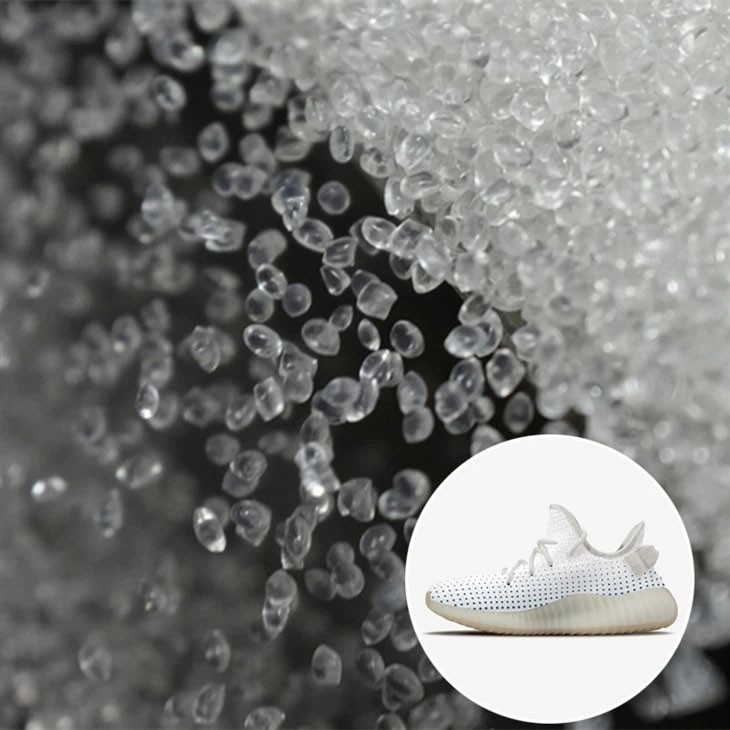
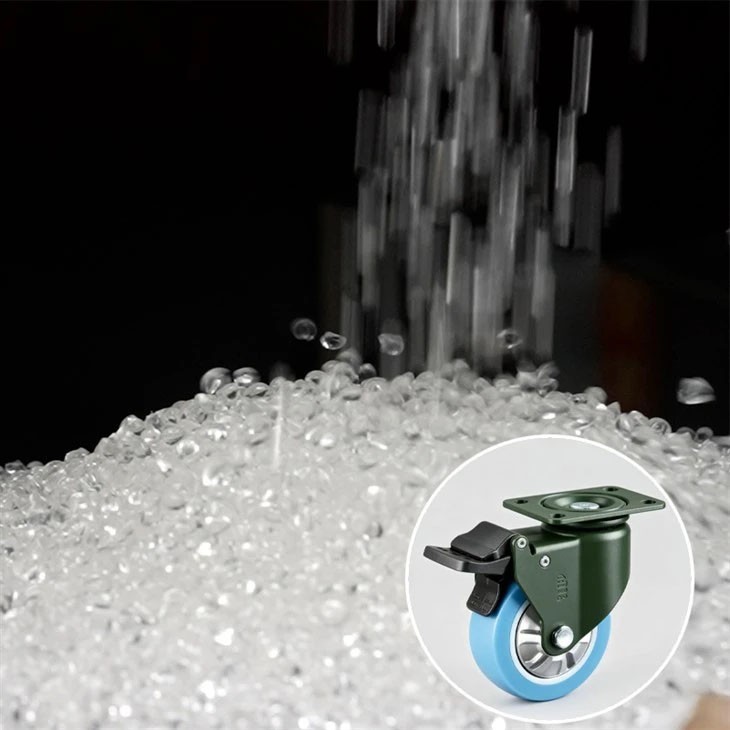
Let's look at some specific applications where the low water absorption rate of TPU 80A is crucial.
Footwear: TPU 80A is commonly used in the soles of shoes, especially sports shoes. The low water absorption rate ensures that the soles remain dry and comfortable, even when the shoes are exposed to moisture. This helps to prevent the growth of bacteria and fungi, which can cause unpleasant odors and foot problems.
Medical Devices: In the medical field, TPU 80A is used for various applications, such as catheters and tubing. The low water absorption rate is essential to prevent the contamination of the internal surfaces of these devices, which could pose a risk to patients.
Automotive Components: TPU 80A is also used in the automotive industry for parts like seals and gaskets. Its low water absorption rate helps to ensure a tight seal and prevent water from entering critical areas of the vehicle, such as the engine compartment.
Now, if you're in the market for TPU 80A, you might also be interested in some of our other TPU products. We offer a wide range of TPU materials, including 97a TPU for Wheels, Injection TPU New Materials, Air Cusions Thermoplastic Polyurethane TPU, Football Shoe Soles TPU Materials, and TPU Resin for Shoe Outsoles. Each of these products has its own unique properties and is suitable for different applications.
If you're interested in learning more about our TPU products or have any specific requirements, don't hesitate to reach out. We're here to help you find the right TPU material for your needs. Whether you're a small business or a large corporation, we can provide you with high-quality TPU products at competitive prices.
In conclusion, the water absorption rate of TPU 80A is an important factor to consider when choosing a material for your products. Its low water absorption rate makes it a reliable and versatile choice for a wide range of applications. If you have any questions or need further information, feel free to drop us a line. We look forward to working with you and helping you create amazing products with our TPU materials.
References:
Engineering Plastics Handbook: Thermoplastic Polyurethanes
Journal of Polymer Science: Part B: Polymer Physics
ASTM D570 - Standard Test Method for Water Absorption of Plastics