E-Mail: DBG1@singbonpu.com
Tel: +86-535-6209089
Hey there! I'm a supplier of Football Shoe Soles TPU Materials, and today I wanna chat about how TPU materials affect the flexibility of football shoe toes.
First things first, let's get a bit of a background on TPU. TPU, or Thermoplastic Polyurethane, is a super - versatile material. It's used in all sorts of stuff, from TPU for Footwear Accessories Sports And Leisure to High Transparent TPU for Electronics, and even TPU Material for Conveyor Belts and TPU Materials for Industrial Parts. But in the world of football shoes, it plays a crucial role, especially when it comes to the toes.
The Role of Flexibility in Football Shoe Toes
Why is flexibility in football shoe toes so important? Well, think about all the movements a football player makes. Kicking, running, changing direction suddenly, and dribbling. All these actions put a lot of stress on the toes of the shoes. If the toes aren't flexible enough, it can really limit a player's performance. For example, when a player is about to take a powerful kick, they need their toes to bend naturally to transfer the maximum amount of force to the ball. Stiff toes can lead to less - efficient kicks and even increase the risk of injury.
How TPU Influences Toe Flexibility
Hardness and Softness of TPU
One of the key factors that determine how TPU affects toe flexibility is its hardness. TPU can come in different hardness levels, usually measured on the Shore scale. A harder TPU will offer more support and durability but may sacrifice some flexibility. On the other hand, a softer TPU will be more pliable and allow for greater flexibility in the toes.
As a supplier, I've seen firsthand how different hardness levels can change the feel of a football shoe. For players who need more support, like goalkeepers or defenders, a slightly harder TPU may be a better choice. Their movements are often more about stability and stopping the ball. But for attackers and midfielders who need quick, agile movements, a softer TPU can give them the flexibility they need to make those sharp turns and lightning - fast kicks.
Molecular Structure of TPU
The molecular structure of TPU also plays a big part. TPU is made up of long chains of molecules, and how these chains are arranged affects its properties. In a well - designed TPU material, the molecules are arranged in a way that allows them to move and slide past each other easily. This gives the material its flexibility.
When we're manufacturing TPU for football shoe soles, we pay close attention to the molecular structure. We use special processes to ensure that the molecules are aligned in a way that maximizes flexibility, especially in the areas where it matters most, like the toes.
Reinforcement and Additives
Sometimes, we add reinforcements or additives to the TPU to enhance certain properties. For example, adding fibers or other polymers can increase the strength of the TPU. However, if not done carefully, these additives can also reduce flexibility.
As a supplier, we have to find the right balance. We want to add just enough reinforcement to make the TPU durable without sacrificing too much flexibility. This is a bit of an art, and it takes a lot of testing and experimentation to get it right.
Advantages of Using TPU for Football Shoe Toes
Durability
One of the biggest advantages of TPU is its durability. Football is a rough and tumble sport, and the toes of the shoes take a lot of wear and tear. TPU can withstand all that abuse, whether it's from kicking the ball, running on hard surfaces, or getting stepped on.
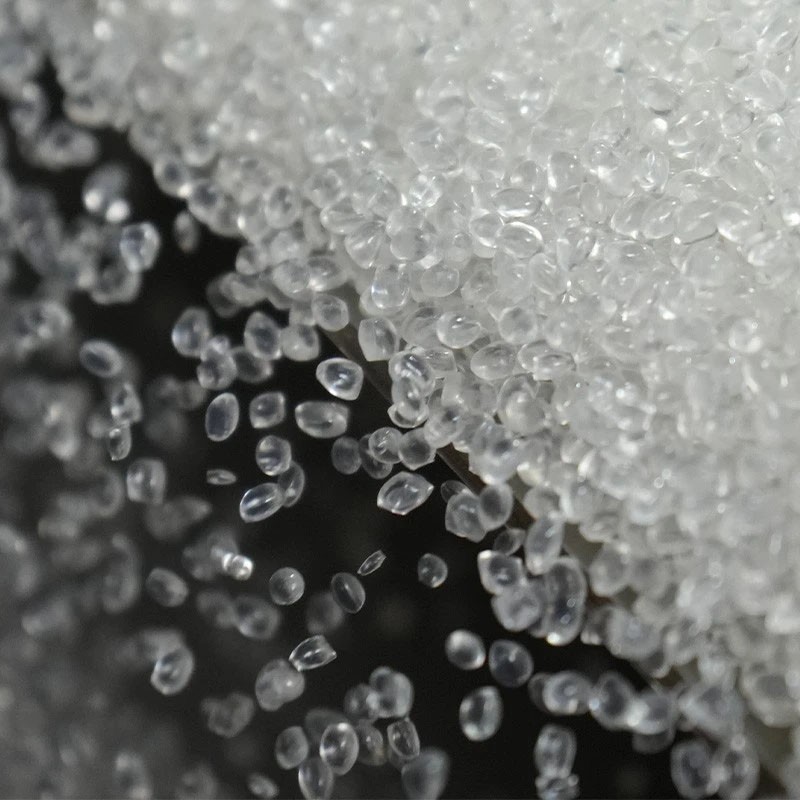
Even after many matches and training sessions, TPU - based football shoe toes will maintain their shape and function. This means that players don't have to replace their shoes as often, which is a big plus for both them and the environment.
Comfort
Because of its ability to be made into different flexibility levels, TPU can offer a high level of comfort. A flexible TPU in the toes allows the foot to move naturally, reducing discomfort and fatigue. Players can focus on the game instead of feeling restricted by their shoes.
Customization
Another great thing about TPU is that it can be customized. As a supplier, we can work with shoe manufacturers to create TPU materials with specific properties. This means that they can design football shoes that are tailored to the needs of different players, whether they're professional athletes or weekend warriors.
Challenges in Using TPU for Football Shoe Toes
Cost
One of the main challenges is the cost. TPU can be more expensive than some other materials used in shoe manufacturing. However, when you consider its durability and performance benefits, it's often worth the extra cost.
As a supplier, we're always looking for ways to make our TPU materials more cost - effective. We're constantly researching new manufacturing processes and sourcing methods to reduce the cost without sacrificing quality.
Temperature Sensitivity
TPU can be sensitive to temperature. In cold weather, it may become stiffer, which can reduce flexibility. This can be a problem for players who play in different climates.
To address this issue, we're working on developing TPU materials that are more temperature - resistant. We're experimenting with different additives and formulations to make sure that our TPU maintains its flexibility in a wide range of temperatures.
Conclusion
In conclusion, TPU materials have a huge impact on the flexibility of football shoe toes. Their hardness, molecular structure, and the use of additives all play a role in determining how flexible the toes will be. While there are some challenges, like cost and temperature sensitivity, the advantages of using TPU, such as durability, comfort, and customization, make it a great choice for football shoes.
If you're in the business of making football shoes or are looking for high - quality TPU materials for other applications like TPU for Elastic Tape Elastic Bands, I'd love to have a chat with you. Whether you need a softer TPU for more flexibility or a harder one for added support, we can work together to find the perfect solution for your needs. Don't hesitate to reach out and start a conversation about your procurement requirements.
References
"Thermoplastic Polyurethane Elastomers: Science and Technology" by Christopher K. Riew
"Materials Science for Sports Equipment" edited by John M. Park