E-Mail: DBG1@singbonpu.com
Tel: +86-535-6209089
Hey there! As a polyether TPU supplier, I often get asked about the elongation at break of polyether TPU. So, let's dive right in and explore what this term means, why it's important, and how it affects the performance of polyether TPU.
First things first, what exactly is the elongation at break? In simple terms, it's the maximum amount a material can stretch before it breaks. When you're dealing with polyether TPU, it's measured as a percentage of the original length. For example, if a polyether TPU sample is 100 mm long and it can stretch to 500 mm before it snaps, the elongation at break is 400%.

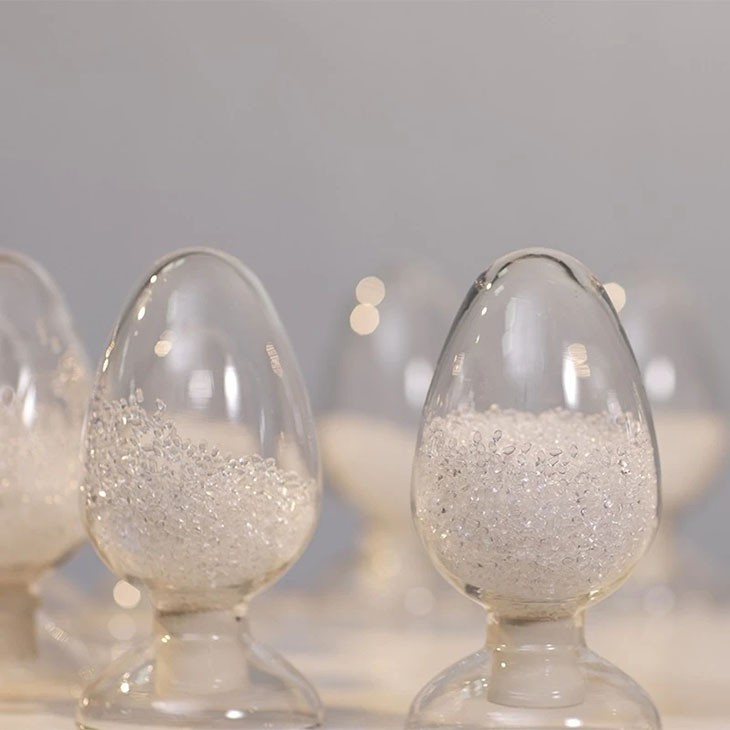
Now, you might be wondering why this is such a big deal. Well, the elongation at break is a crucial property for polyether TPU because it gives us an idea of how flexible and tough the material is. In applications where the TPU needs to be stretched or deformed without breaking, like in Blown Film TPU Material, TPU for Casting Film, and High Moisture Blown Film Type TPU, a high elongation at break is essential.
Think about a stretchy plastic bag. You want it to be able to expand as you put your groceries inside without ripping. That's where polyether TPU with a high elongation at break comes in handy. It can withstand the stretching and pulling forces without failing.
But how is the elongation at break of polyether TPU determined? There are standard test methods, like ASTM D412 or ISO 37, that are used to measure this property. These tests involve pulling a dumbbell-shaped TPU sample at a constant speed until it breaks. During the test, the machine records the force applied and the change in length of the sample. The data is then used to calculate the elongation at break.
Several factors can influence the elongation at break of polyether TPU. The chemical composition is a big one. Different types of polyether glycols and diisocyanates used in the synthesis of TPU can result in different levels of flexibility and stretchability. For example, a TPU made with a more flexible polyether glycol will generally have a higher elongation at break.
The processing conditions also play a role. If the TPU is processed at too high a temperature or with too much shear force, it can damage the polymer chains and reduce the elongation at break. On the other hand, proper processing can optimize the molecular structure of the TPU and improve its stretching ability.
Another factor is the presence of additives. Some additives, like plasticizers, can increase the flexibility of the TPU and enhance the elongation at break. However, other additives, like fillers, can sometimes reduce the stretchability if they are not properly dispersed in the TPU matrix.
In the market, the elongation at break of polyether TPU can vary widely depending on the grade and application. For general-purpose Blown Film TPU, the elongation at break might typically range from 400% to 800%. But for high-performance Polyether TPU for Film applications, we can offer grades with an elongation at break of over 1000%.
So, why should you choose our polyether TPU in terms of elongation at break? Well, we have a state - of - the - art manufacturing process that allows us to precisely control the chemical composition and processing conditions. This means we can produce TPU with a consistent and high elongation at break. Whether you need a material for a simple packaging film that just needs a bit of stretch or a high - end medical film that requires extreme flexibility, we've got you covered.
Our R & D team is constantly working on improving the properties of our polyether TPU. We're always looking for new ways to increase the elongation at break without sacrificing other important properties, like tear resistance and abrasion resistance.
If you're in the market for polyether TPU and are concerned about the elongation at break, don't hesitate to reach out. We can provide you with samples so that you can test the material in your own applications. We also have a team of experts who can help you choose the right grade of polyether TPU based on your specific requirements.
In conclusion, the elongation at break of polyether TPU is a key property that affects its performance in many applications. Our company, as a polyether TPU supplier, is committed to providing high - quality TPU with excellent elongation at break. Whether you're involved in the film industry or any other field that uses polyether TPU, we can be your reliable partner.
If you're interested in purchasing polyether TPU or have questions about the elongation at break or any other properties, feel free to contact us. Let's start a conversation and explore how our polyether TPU can meet your needs.
References
ASTM D412 - Standard Test Methods for Vulcanized Rubber and Thermoplastic Elastomers - Tension
ISO 37 - Rubber, vulcanized or thermoplastic — Determination of tensile stress - strain properties