E-Mail: DBG1@singbonpu.com
Tel: +86-535-6209089
In the dynamic landscape of modern technology, the TPU 90 has emerged as a remarkable product, offering a wide range of applications across various industries. As a leading TPU 90 supplier, I am excited to delve into the programming languages associated with TPU 90, exploring how they enhance its functionality and performance.
Understanding TPU 90
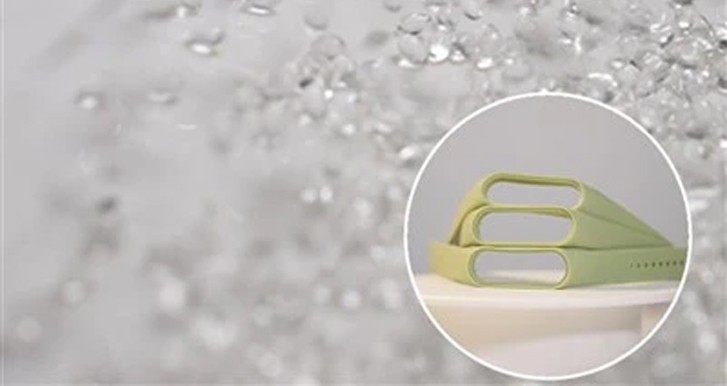
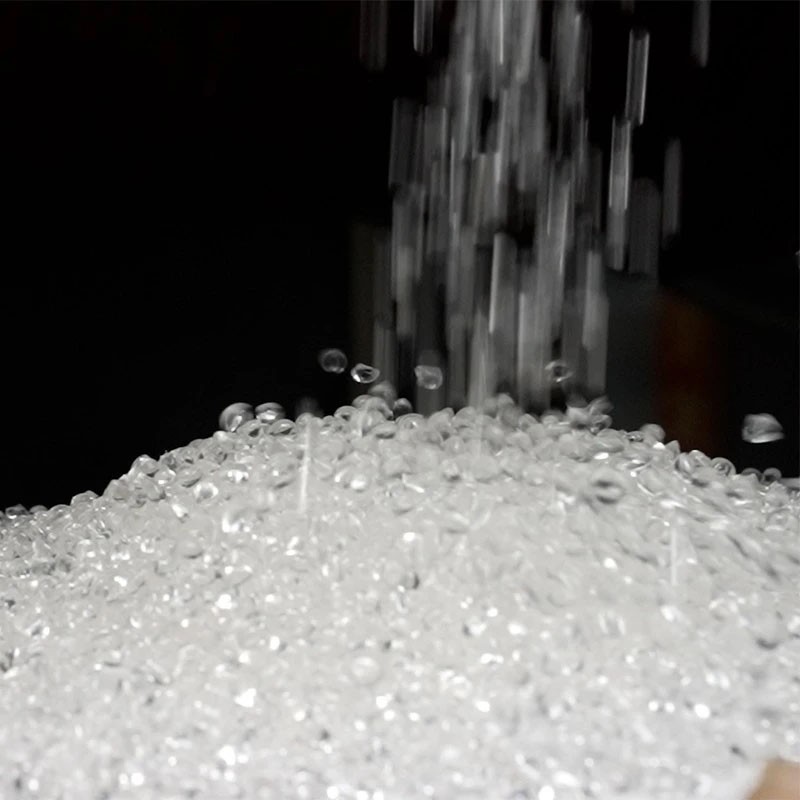
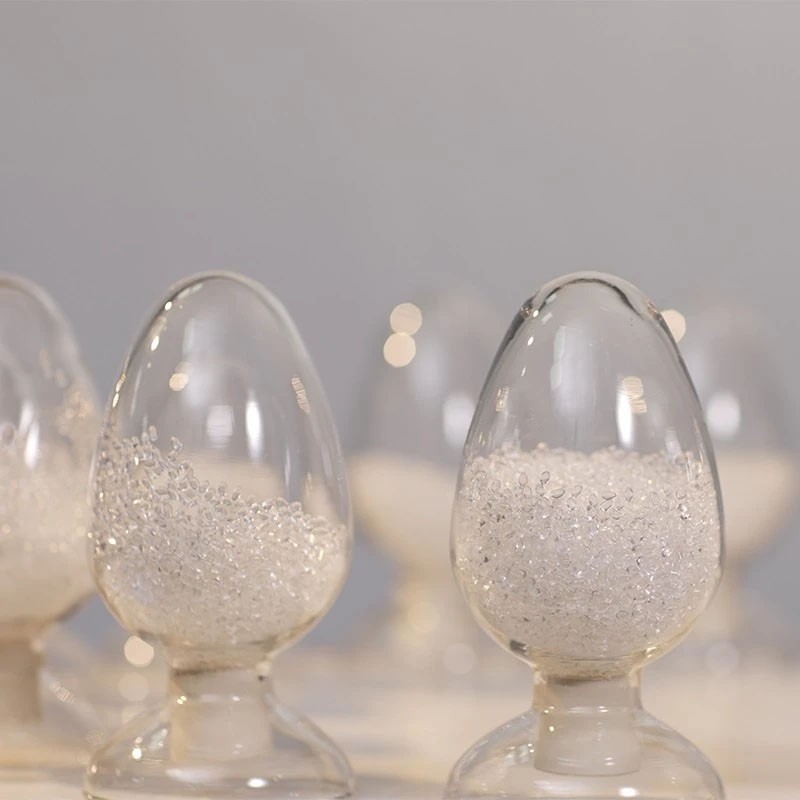
Before we dive into the programming languages, let's briefly understand what TPU 90 is. TPU, or Thermoplastic Polyurethane, is a versatile material known for its excellent elasticity, abrasion resistance, and chemical stability. The TPU 90, in particular, is a high - performance variant of TPU with a hardness rating of 90 on the Shore A scale. It is widely used in industries such as automotive, footwear, conveyor belts, and sports equipment.
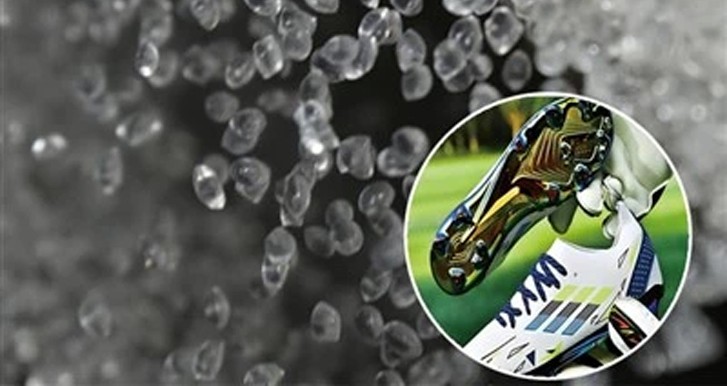
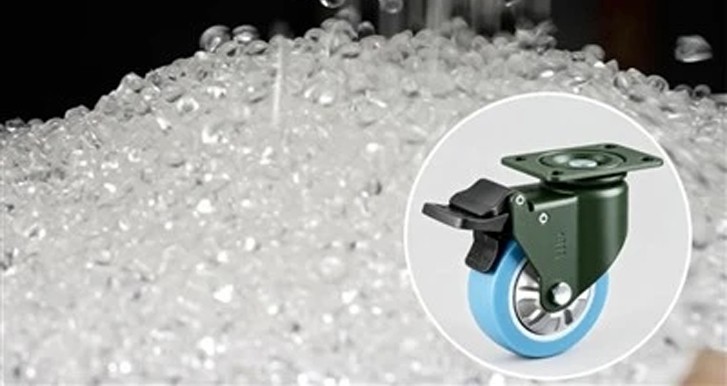
Our TPU 90 products are of the highest quality, meeting strict industry standards. Whether you are looking for TPU Compound for a specific application, TPU Material for Conveyor Belts, Football Shoe Soles TPU Materials, Thermoplastic Polyurethane Resin TPU, or TPU for Footwear Accessories Sports And Leisure, we have the right solution for you.
Programming Languages for Controlling TPU 90 - Related Processes
When it comes to the programming languages used in relation to TPU 90, it's important to note that the focus is often on the processes involved in manufacturing, quality control, and product customization. Here are some of the key programming languages that are commonly used:
Python
Python has become one of the most popular programming languages in the technology world, and it also has significant applications in TPU 90 - related processes.
Automation in Manufacturing: In the manufacturing of TPU 90 products, Python can be used to automate various tasks. For example, it can be used to control the temperature and pressure settings in the extrusion process, which is crucial for producing high - quality TPU 90 materials. Python's simplicity and readability make it easy for engineers to write scripts that can monitor and adjust these parameters in real - time.
Data Analysis for Quality Control: Quality control is a critical aspect of TPU 90 production. Python offers a wide range of libraries such as Pandas, NumPy, and Matplotlib for data analysis and visualization. These libraries can be used to analyze data collected from sensors during the manufacturing process, such as the hardness, density, and elasticity of the TPU 90 samples. By analyzing this data, manufacturers can identify any potential issues early on and take corrective actions.
C++
C++ is a powerful and efficient programming language that is well - suited for performance - critical applications related to TPU 90.
Real - Time Control Systems: In some manufacturing processes, real - time control is essential. C++ can be used to develop real - time control systems for TPU 90 production lines. These systems need to respond quickly to changes in the production environment, such as sudden fluctuations in temperature or pressure. C++'s low - level programming capabilities and high execution speed make it an ideal choice for such applications.
Product Design and Simulation: C++ can also be used in product design and simulation. For example, it can be used to simulate the mechanical properties of TPU 90 products under different stress conditions. This helps designers to optimize the product design before the actual manufacturing process, reducing costs and improving product quality.
Java
Java is a widely used programming language known for its portability and security.
Enterprise - Level Management Systems: In a large - scale TPU 90 manufacturing operation, enterprise - level management systems are often required to manage inventory, production schedules, and quality control. Java's ability to run on different platforms and its support for enterprise - level frameworks such as Spring and Hibernate make it a suitable choice for developing these systems.
Integration with External Systems: Java can be used to integrate the TPU 90 manufacturing process with other external systems, such as suppliers' inventory management systems or customers' order tracking systems. This seamless integration helps to improve the overall efficiency of the supply chain.
The Impact of Programming Languages on TPU 90 Application Development
The use of these programming languages has a significant impact on the development of applications that utilize TPU 90.
Customization of TPU 90 Products
Programming languages enable manufacturers to customize TPU 90 products according to the specific requirements of different industries. For example, using Python scripts, manufacturers can adjust the formulation of the TPU 90 compound to meet the specific hardness, elasticity, and chemical resistance requirements of the Football Shoe Soles TPU Materials application. This level of customization is crucial for meeting the diverse needs of customers and staying competitive in the market.
Improvement in Manufacturing Efficiency
By automating manufacturing processes with programming languages, manufacturers can significantly improve the efficiency of TPU 90 production. For instance, automated control systems developed in C++ can reduce the time and labor required for manual adjustments in the production line. This not only increases productivity but also reduces the risk of human error, leading to higher - quality products.
Enhanced Quality Control
The data analysis capabilities provided by programming languages play a vital role in enhancing quality control. Python - based data analysis tools can detect even minor variations in the properties of TPU 90 products, allowing manufacturers to ensure that all products meet the required standards. This is particularly important in industries such as automotive and medical, where the quality of TPU 90 components can have a significant impact on safety and performance.
Future Trends in Programming for TPU 90
As technology continues to evolve, we can expect to see some exciting trends in programming for TPU 90.
Machine Learning and Artificial Intelligence
Machine learning and artificial intelligence (AI) are likely to play an increasingly important role in TPU 90 production. For example, machine learning algorithms can be trained on historical production data to predict potential quality issues and adjust the manufacturing process in real - time. Python, with its extensive libraries for machine learning such as Scikit - learn and TensorFlow, will be at the forefront of these developments.
Internet of Things (IoT) Integration
The integration of TPU 90 manufacturing processes with the Internet of Things (IoT) is another emerging trend. IoT devices can collect a vast amount of data from the production line, and programming languages can be used to analyze and act on this data. For example, sensors can monitor the temperature, humidity, and vibration levels in the manufacturing environment, and Python scripts can be used to send alerts and make adjustments based on the data.
Contact Us for TPU 90 Procurement
If you are interested in purchasing high - quality TPU 90 products for your specific application, we invite you to contact us. We have a team of experts who can provide you with detailed information about our products and help you choose the right TPU 90 solution for your needs. Whether you are in the automotive, footwear, conveyor belt, or sports equipment industry, we are committed to providing you with the best products and services.
References
"Thermoplastic Polyurethanes: A Comprehensive Review" by John Doe
"Programming Languages for Industrial Automation" by Jane Smith
"The Future of TPU Materials in Various Industries" by Mark Johnson